Pregnancy Physical Therapy in Hollywood, FL
Pain that makes rolling over in bed a project, uncertainty about which exercise is still safe, and a delivery date coming whether your body feels ready or not: pregnancy physical therapy covers all three.
Why pregnancy hurts, and what can be done.
Your body changes shape, weight distribution and hormone levels over forty weeks, and the joints, muscles and pelvic floor have to adapt to all of it at once. Aches are common. Pain that limits sleep, walking, work or exercise is not something you simply have to endure until delivery. Pregnancy physical therapy does three jobs: it treats the pain you have now, it prescribes exercise that is safe for your stage of pregnancy, and it prepares your body for labor and delivery.

Low back pain, sacroiliac joint pain, pelvic girdle pain, pain at the pubic symphysis at the front of the pelvis, hip pain and sciatic-type pain are the most common reasons people come in. Hormonal change makes ligaments more pliable while the growing baby shifts your center of gravity forward, so muscles work harder to keep you stable. Gentle hands-on treatment, positioning, support belts when they help, and specific strengthening calm the pain and make daily movement manageable again.
Most people can and should keep moving during an uncomplicated pregnancy, but which exercise, how much and how it changes by trimester is personal. Your therapist builds a program around your health history, your obstetric provider’s guidance and what you enjoy, whether that is walking, strength training, Pilates or continuing a sport. You learn how to modify core work, how to breathe and brace without bearing down, and the warning signs that mean stop and call your provider.
The pelvic floor has to lengthen and relax to let a baby through, which is the opposite of the squeezing most people practise. Preparation covers pelvic floor relaxation and lengthening, breathing and pushing mechanics, labor positions that open the pelvis, and, from around 34 weeks, perineal massage to prepare the tissues. Partners are welcome to come and learn how to help.
A growing uterus sits directly on the bladder, and leaking with a cough, sneeze or laugh is common, especially in the third trimester. Common does not mean it has to be ignored. Pelvic floor coordination and pressure management during pregnancy reduce leaking now and give you a better starting point after delivery.
Some separation of the abdominal muscles is a normal part of making room for a baby. How you get out of bed, lift a toddler and load your core during pregnancy affects how much strain that tissue takes. You learn movement strategies that protect it now, and what to expect when you start rebuilding after birth.
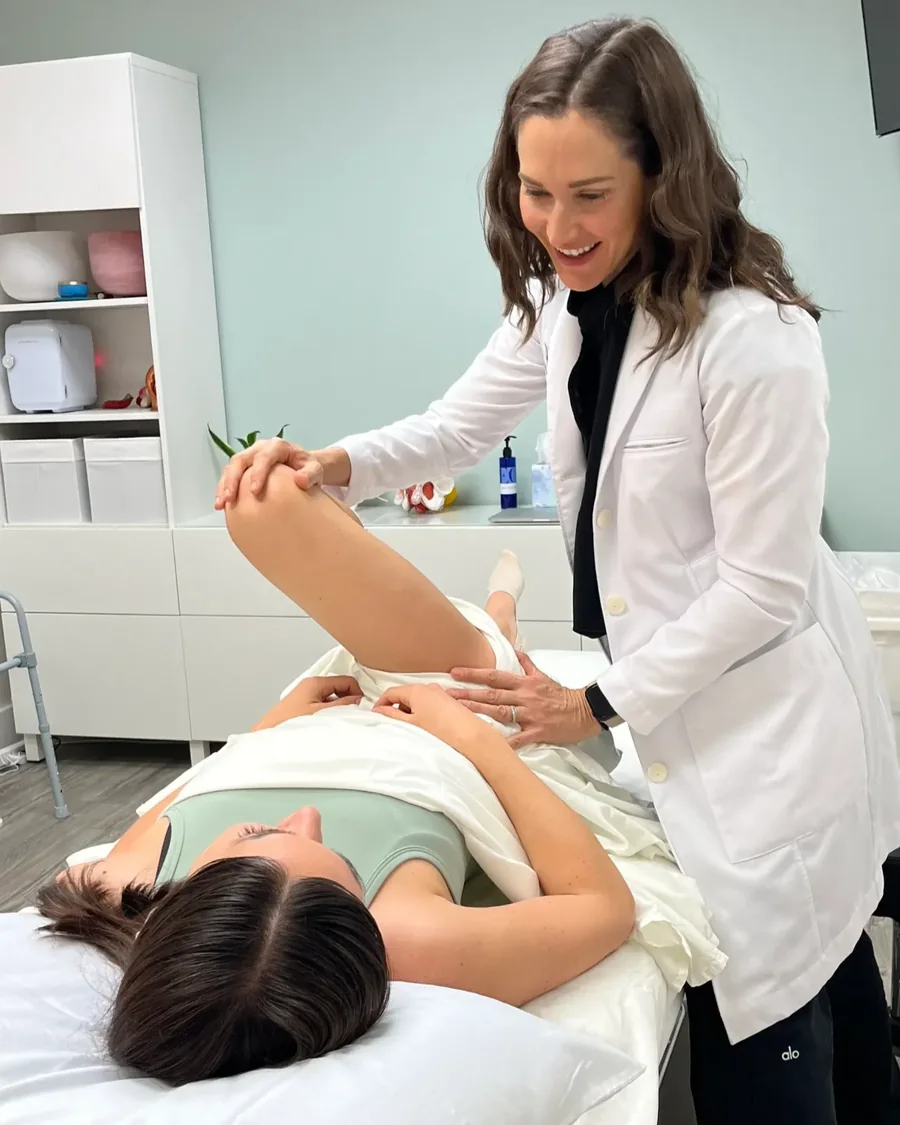
How physical therapy in Hollywood helps.
Pregnancy physical therapy at Wellsprings Health is one on one, 30 to 60 minutes, in a private room with the door closed. It works alongside your OB or midwife, not instead of them, and Florida’s direct access means no referral is needed to start. Your therapist takes a full history of this pregnancy and any previous ones, assesses posture, movement, the pelvic joints and the core, and assesses the pelvic floor where appropriate. Any internal assessment is explained first, it is optional, and whether it happens is your decision.
From there the plan follows your stage. Early on, the focus is usually pain and a safe exercise routine. In the third trimester it shifts toward labor preparation: pelvic floor relaxation, breathing and pushing practice, positions for labor and perineal massage. Many people come for a few visits at the start and a few near the end. After delivery, the same therapist can pick up where you left off with postpartum recovery or C-section recovery.
What to expect.
Evaluation
A full history of your pregnancy, your pain and your goals, then an assessment of posture, movement, the pelvic joints, the core and, if you choose, the pelvic floor. Everything is explained before it happens. You leave with a clear plan and a few things to start the same day.
Relief and safe exercise
We treat what hurts with gentle hands-on work, positioning and targeted strengthening, and build an exercise routine that is safe for your trimester and your health history. You learn how to move, lift and sleep with less strain.
Prepare for delivery
In the final weeks we practise pelvic floor relaxation, breathing and pushing mechanics and labor positions, and teach perineal massage. You go into delivery knowing how your body is meant to work during it, and with a plan for recovery afterwards.
I am absolutely thrilled with Dr. Leslie! She is far more than just a pelvic floor therapist, her exceptional care, extensive knowledge, and expertise have been truly transformative.
Before and after birth.
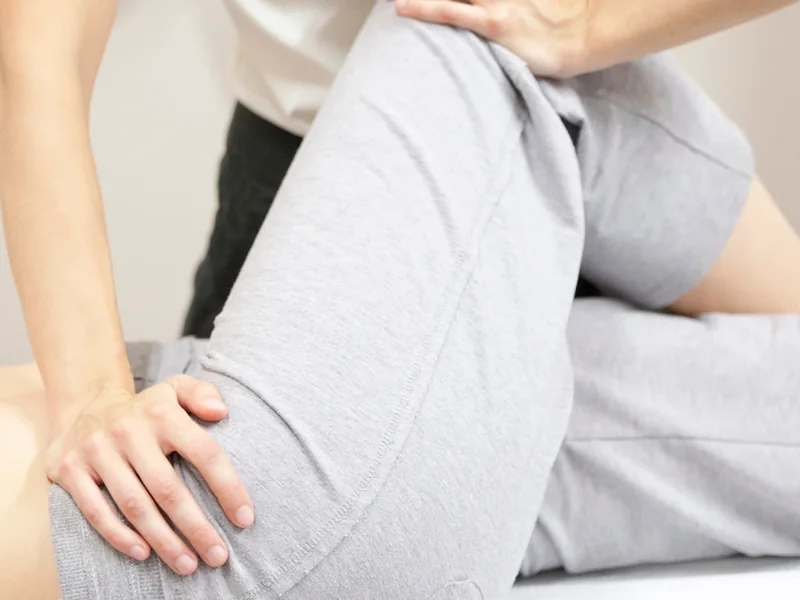
Postpartum Recovery
Six weeks and cleared is not the same as recovered. This is the rest of it.
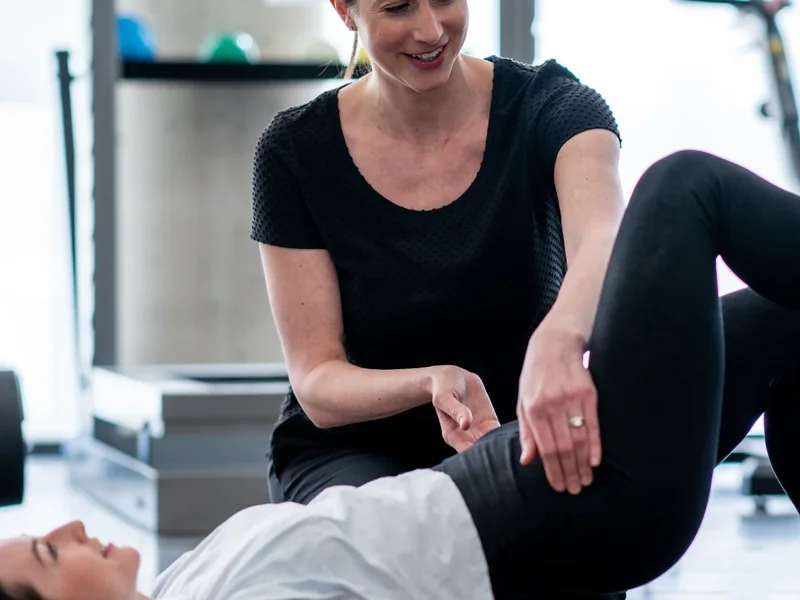
C-Section Recovery
Scar mobility, core reconnection and the numb shelf nobody warned you about.
Urinary Leaking
Leaking with a cough, a jump or a sudden urge. Stress and urge incontinence both respond to treatment.