Postpartum Recovery in Hollywood, FL
Being cleared at six weeks is not the same as being recovered, and if you are still leaking, aching or bracing months later, that is not a failure on your part.
What causes postpartum symptoms?
Pregnancy and birth change the pelvis, the abdominal wall and the pelvic floor at the same time, and the body does most of its own tissue repair over the first year. What it does not do on its own is rebuild coordination. That is why symptoms can sit quietly for months, then announce themselves the first time you run for a bus or lift a toddler onto one hip.
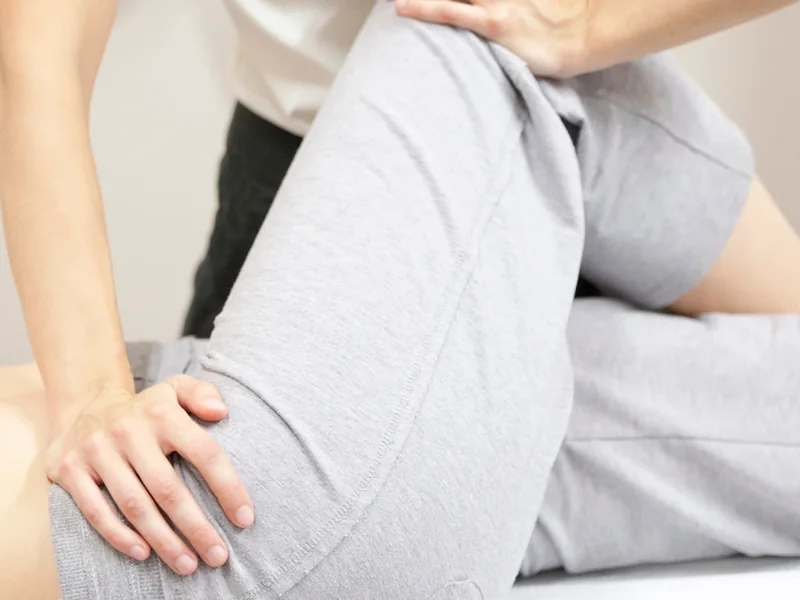
After birth these muscles are often not weak in the way people assume. They are slow, or they are gripping, or they fire late. That shows up as leaking when you cough or sneeze, urgency that has you mapping bathrooms, trouble controlling gas or stool, or a heaviness low down that gets worse by evening. Squeezing harder does not fix timing. Retraining the sequence, with breath and pressure, does.
Diastasis recti is the widening between the abdominal muscles that pregnancy creates. The size of the gap matters far less than what the tissue can do under load. If the deep system cannot manage pressure, the low back and pelvis absorb it instead, and you feel that as aching by the end of the day, or as a doming ridge down the midline when you sit up in bed.
Hormonal changes in pregnancy soften ligaments and alter tissue elasticity, and delivery loads the pelvis hard. Afterwards the pelvis, hips and spine can settle slightly out of alignment and stay there. Pelvic girdle pain, one-sided stiffness, and that giving-way feeling when you roll over in bed or climb stairs all trace back to that instability, not to anything you did wrong.
A tear, an episiotomy or a repair leaves scar tissue that heals tighter and less mobile than the tissue it replaced. It can pull, sting, feel raw, or make sitting and sex painful long after the wound itself has closed and been called healed. Scar restriction is not permanent. Scar tissue remodels in response to graded hands-on pressure and progressive movement, even years later.
Swelling that has not fully drained keeps pressure on tissue that is trying to heal, and nerves running through the pelvis and perineum can stay irritated after being stretched or compressed during delivery. That produces burning, patches of numbness, shooting pain, or a tailbone that will not tolerate a hard chair. These are mechanical problems, and they have mechanical answers.
Nobody plans for the posture of it. Feeding for hours with a rounded upper back, carrying a car seat on one side, lifting out of a low crib, sleeping badly and starting again. Neck, upper back and hip pain after birth is usually this, layered on top of a core and pelvic floor that have not been rebuilt yet. Changing how you lift, feed and carry takes real pressure off.
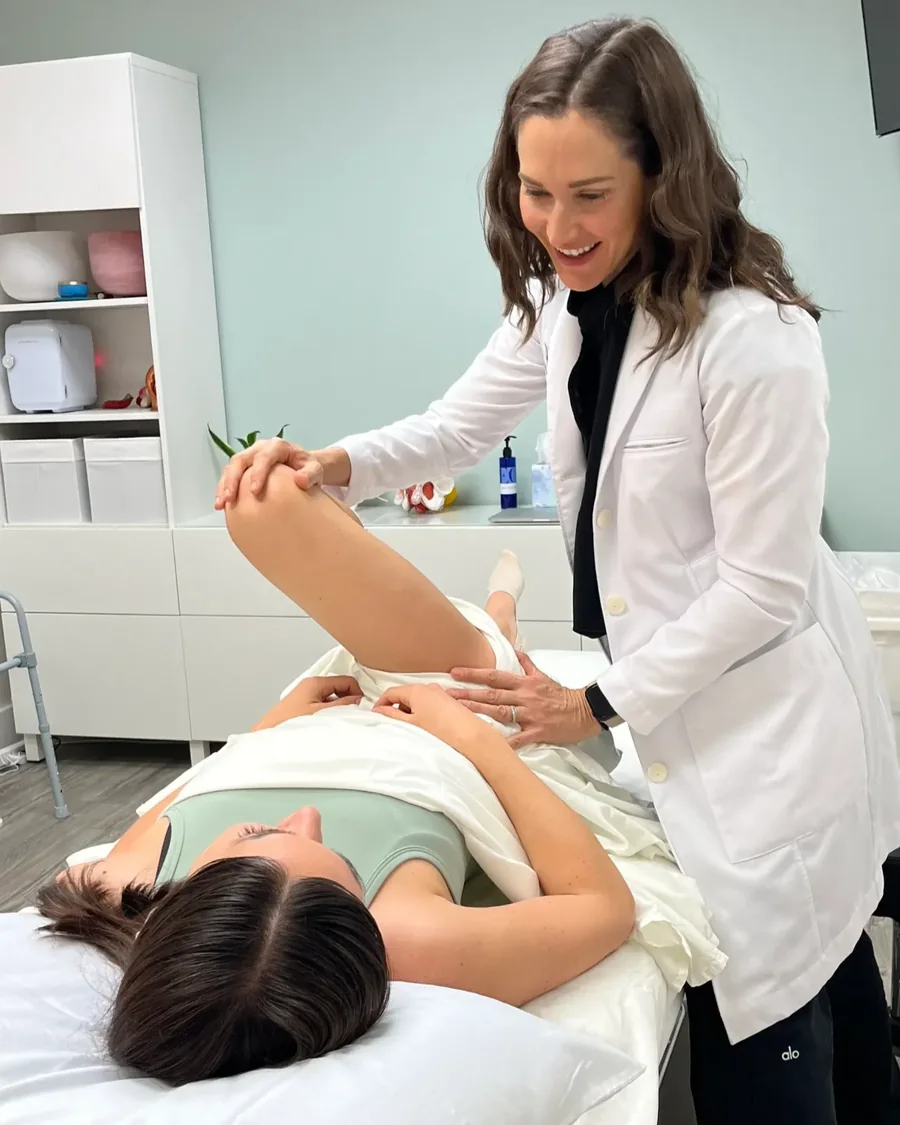
How physical therapy in Hollywood helps.
Recovery after birth is not a window you missed. Bodies keep responding, whether you delivered six weeks ago or eleven years ago, and lingering dysfunction almost never resolves on its own once the first year is behind you. In Florida you do not need a physician referral to start, so you do not have to wait for anyone's permission or a follow-up slot. Your evaluation is one on one with a licensed pelvic health therapist, 30 to 60 minutes, in a private room with the door closed. Some of a pelvic health assessment may be internal. That is explained in full before anything happens, you can decline any part of it, and consent stays yours throughout. What comes out of it is a plan in order: settle the tissue that is irritated, restore breath, pressure management and pelvic floor coordination, then load it, because carrying a toddler through a whole day is loading. If your birth was a cesarean, the scar and the abdominal wall need their own specific work on top of this. Nobody can name your date. Most people notice change within a few weeks when they keep up the home program, and your therapist will tell you at the evaluation what your own case realistically looks like. This is not Kegels on a printed sheet.
What to expect from your recovery.
Evaluation
One appointment, one therapist, one private room. She takes your birth history, watches how you stand, breathe and move, and assesses the abdominal wall and the pelvic floor. Anything internal is explained first and is your choice. You leave knowing which symptom comes from where.
Hands-on work
Then the treatment itself. Gentle joint mobilization for the pelvis and spine, soft tissue and trigger point release for the areas holding tension, scar mobilization where you need it, and neuromuscular retraining so the pelvic floor learns to switch on and let go at the right moment.
Load for real life
Last comes strength that matches your actual day. Lifting a car seat, carrying a baby on one hip, feeding without wrecking your neck, running again if that is what you want back. You go home with a program and the ability to catch a flare early.
I am absolutely thrilled with Dr. Leslie! She is far more than just a pelvic floor therapist, her exceptional care, extensive knowledge, and expertise have been truly transformative.
Pain rarely travels alone.
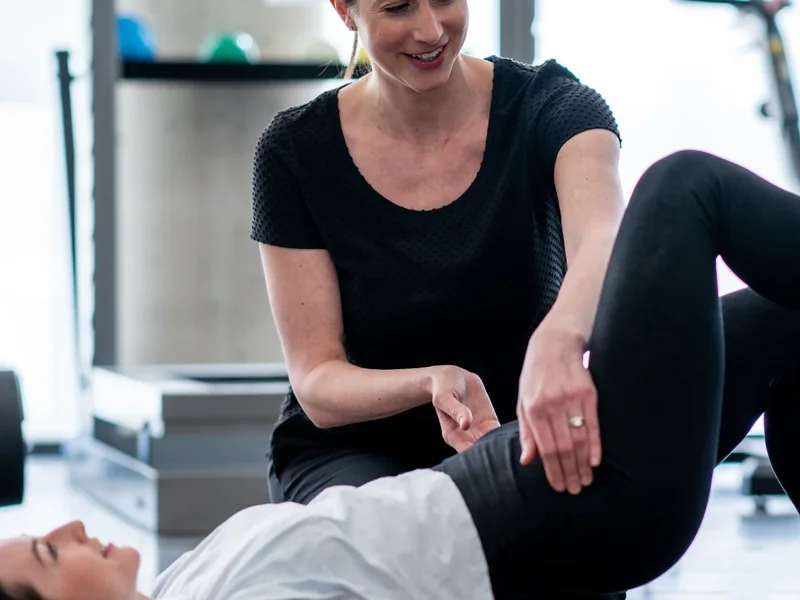
C-Section Recovery
Scar mobility, core reconnection and the numb shelf nobody warned you about.
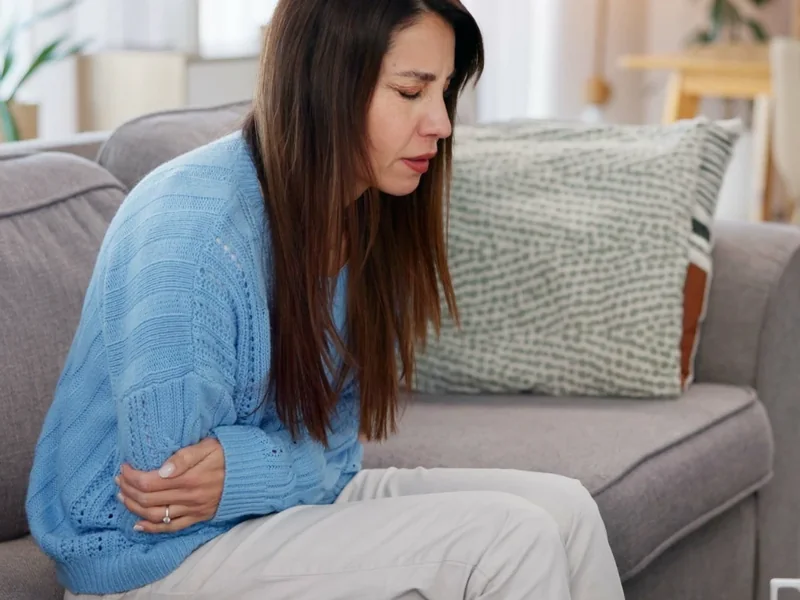
Pelvic Organ Prolapse
Heaviness, bulging or pressure. Support is trainable, and surgery is not the only path.

Coccydynia
Tailbone pain with a name, a mechanism and a treatment plan.