Urinary Leaking Treatment in Hollywood, FL
A cough, a laugh, a jump on the trampoline with your kids, or the walk from the car to the front door: if any of them ends with a leak, that is a muscle and coordination problem, and it is treatable.
Why does urinary leaking happen?
Leaking is common, and it is not something you have to accept because of your age or the number of children you have had. Most leaking falls into two types, and many people have a mix of both. Stress incontinence is leaking when pressure in the abdomen rises faster than the pelvic floor can respond. Urge incontinence is leaking that follows a sudden, strong need to go that you cannot hold off. They have different drivers and they are treated differently, which is why naming the type is the first job of the evaluation.

Stress urinary incontinence is leaking with effort: a cough, a sneeze, a laugh, a jump, a run or a heavy lift. Every one of those raises pressure inside the abdomen, and the pelvic floor is supposed to tighten a fraction of a second before that pressure arrives. When the muscles are weak, slow to fire or poorly timed, pressure wins and urine escapes. It often starts after pregnancy and childbirth, through menopause or with high-impact exercise, and it responds well to targeted training.
Urge incontinence is leaking that follows a sudden, intense need to urinate, often on the way to the bathroom, at the key in the front door or at the sound of running water. The bladder muscle contracts before you have decided it is time, and the pelvic floor cannot hold against it. Bladder irritants, an overactive bladder muscle, a pelvic floor that guards all day and learned urge triggers all feed it, and each can be retrained.
Plenty of people leak both ways: with a sneeze and when the urge hits. Mixed incontinence is not a worse diagnosis, just a more specific one. The plan addresses the support and timing that control stress leaking and the urge suppression and bladder retraining that control urge leaking, in the order that makes the biggest difference for your day first.
Not every leaking pelvic floor is weak. Muscles that hold tension all day are already partly contracted, so they have little range left to squeeze harder when a cough arrives, and they tire quickly. That is why more Kegels sometimes make leaking worse. Your therapist checks whether your muscles need strength, release or coordination before prescribing any exercise.
Pregnancy loads the pelvic floor for months, delivery can stretch or injure it, and the hormonal change of menopause alters the tissues that support the bladder and urethra. Pelvic surgery and prostate surgery change the support system too. Leaking that starts in any of those windows is common. Common is not the same as normal, and it responds to treatment whether it started last month or years ago.

How physical therapy in Hollywood helps.
Here is the part nobody tells you: bladder control is trainable. Your first visit at Wellsprings Health runs 30 to 60 minutes, one on one with your therapist, in a private room with the door closed. A pelvic health assessment may include internal work, because that is the only way to feel what these muscles are actually doing. It is explained to you before anything happens, and you can say stop at any point without owing anyone a reason.
For stress leaking, the work is support and timing: a pelvic floor that contracts strongly and quickly, a well-timed squeeze before a cough or a lift, and breath and pressure management so effort stops pushing down on the bladder. For urge leaking, the work is the signal: urge suppression you can use in the moment, bladder retraining that stretches the gap between trips, and identifying the drinks that irritate your bladder without cutting fluids. Biofeedback lets you see what your muscles are doing while you train them. If urgency is the bigger part of your day, read urinary urgency; the two are often treated together.
What to expect.
Your evaluation
Florida is a direct-access state, so you can book without a physician referral. We take a full bladder history, find out when and how you leak, and assess how your pelvic floor contracts, relaxes and times itself under pressure. Everything is explained before it happens, and consent is continuous and yours.
Name the type, then train it
Stress leaking gets strength, speed and timing work. Urge leaking gets urge suppression and bladder retraining. Most people get a short home program that fits into the day they already have, because the work between visits sets the pace.
Make it hold under real life
Then we test it against the things that used to cause leaks: coughing, lifting, running, jumping, the walk to the bathroom. Nobody can promise you a date, but most people notice change within a few weeks when they keep up the home program, and your therapist will tell you honestly what your case looks like.
I cannot say enough amazing things about Dr. Leslie! She has truly changed my life. From the very first visit, she was professional, kind, and extremely knowledgeable.
Symptoms rarely travel alone.
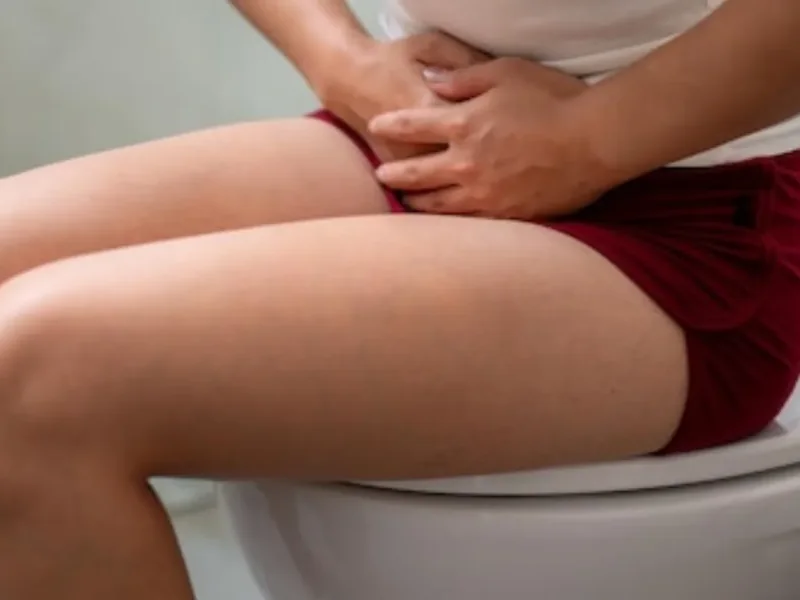
Urinary Urgency
The sudden, urgent need to go, even when your bladder is nearly empty.

Pelvic Organ Prolapse
Heaviness, bulging or pressure. Support is trainable, and surgery is not the only path.
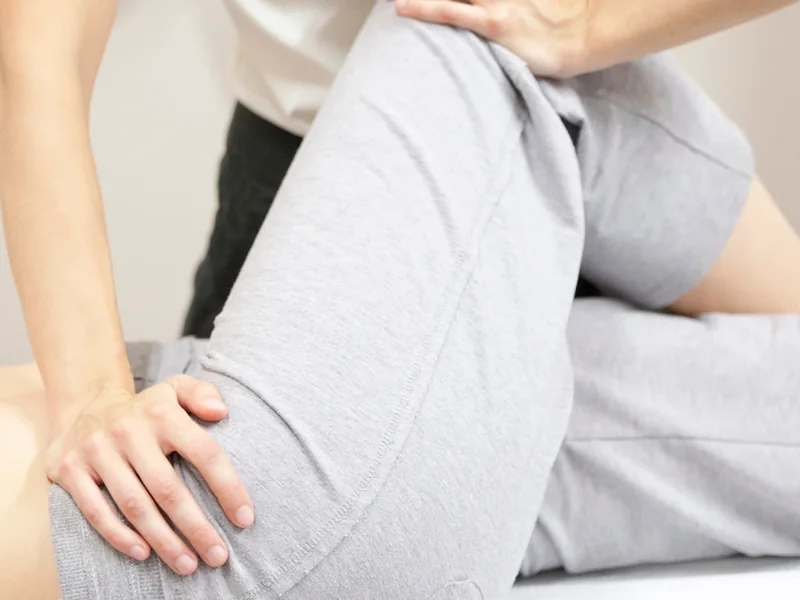
Postpartum Recovery
Six weeks and cleared is not the same as recovered. This is the rest of it.