Pelvic Floor Therapy in Hollywood, FL
Leaking, urgency, heaviness, pain with sex: these are pelvic floor problems, and a pelvic floor can be retrained.
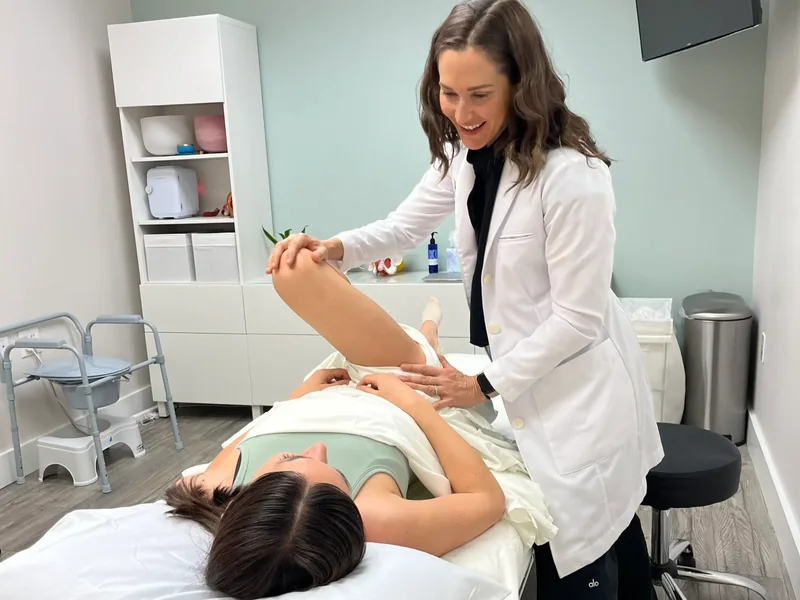
What is pelvic floor therapy in Hollywood, FL?
Your pelvic floor is a system, not a single muscle. Layers of muscle, connective tissue and nerve sit at the base of the pelvis and quietly run bladder control, bowel function, sexual response and part of your posture. Pregnancy, childbirth, surgery and aging all put load on that system, and when it stops coordinating, the symptoms are specific and recognizable. Urine that escapes on a cough. A bladder that demands attention every forty minutes. Difficulty emptying the bladder or the bowel. A dragging heaviness low down that is worse by evening than it was at breakfast. Intercourse that hurts. Pelvic floor therapy is the treatment of that system directly, by a licensed pelvic health therapist, in a private room, one patient at a time, for 30 to 60 minutes.
This is not general physical therapy with a pelvic add-on. The assessment looks at how the muscles contract, whether they can let go, whether nerves are involved, and how your breathing and posture load the floor from above. That distinction matters, because a large share of the pelvic floors we examine are not weak at all. They are held too tight, and more Kegels make them worse. Florida is a direct-access state, so no physician referral is needed to start. For what your visits will cost, call (954) 842-3825 and ask for Ronda: coverage is handled individually and she will walk you through it before you book.
Who it's for.
Most people arrive here after being told this is normal after kids, or normal after fifty, or that the tests came back fine. Common is not the same as normal, and neither word means untreatable.
Bladder and bowel symptoms running your day
You know where every bathroom on the route is. You go before you leave the house, then again the moment you arrive. Or the opposite: straining, incomplete emptying, days of constipation. Both trace back to muscles that will not relax and coordinate on demand. That is a trainable skill, not a character flaw, and urgency responds to retraining rather than to willpower.
Pelvic pain and painful intercourse
Pain deep in the pelvis, burning at the opening, pain that arrives during sex and lingers into the next day. You may already have been handed a lubricant and told to have a glass of wine first. Guarded pelvic floor muscle and irritated nerve tissue are real findings, they can be examined, and they respond to hands-on treatment and down-training.
Heaviness, pressure and prolapse
A bulge or a dragging weight that worsens the longer you stand and eases when you lie down. Surgery is one option, but it is rarely the first one to try. Restoring support means retraining the floor, managing how pressure moves through your abdomen when you lift, cough and exercise, and changing the daily habits that keep pushing down on it.
What to expect in a session.
Your first visit is an evaluation, not a treatment done to you. Sessions run 30 to 60 minutes, and the plan moves through four phases.
Pain: calm the system down
We take your history and symptoms, screen your movement and posture, then assess how the pelvic floor muscles are working and whether nerve involvement is part of the picture. Treatment begins by quieting things: hands-on release for tight tissue, breathing work, and relaxation techniques so the guarding pattern finally lets go.
Prime: restore the mechanics
Next comes coordination. Biofeedback shows you what your pelvic floor is genuinely doing, which for most people is the first time anyone has told them. Manual therapy restores mobility, and we rebuild the timing between breath, deep abdominals and pelvic floor so pressure stops landing in the wrong place.
Perform and prevent
Then we load it, with strengthening for stability and endurance in the positions your life actually asks for. You leave with a home program, a way to catch a flare early, and a realistic picture of your own case, which your therapist gives you at the end of the evaluation rather than promising you a date now.
A pelvic floor assessment may include an internal exam, because muscle tone, strength and tenderness cannot be measured accurately from the outside. Parts of it may require partial undressing, similar to a gynecology visit. Everything is explained before it happens, you may decline any part of it, and you may stop at any point. Tell your therapist first if you are pregnant, within six weeks of a birth or pelvic surgery, have an active infection or unexplained bleeding, or have a history that makes internal work difficult. Any of those changes the approach, and external treatment can accomplish a great deal on its own.
I cannot say enough amazing things about Dr. Leslie! She has truly changed my life. From the very first visit, she was professional, kind, and extremely knowledgeable.
Where to go next.

Biofeedback Therapy
See on a screen what your pelvic floor is doing, then learn to change it.

Pelvic Pain
Pain in the pelvis, groin or genitals that imaging keeps calling normal.

Pelvic Organ Prolapse
Heaviness, bulging or pressure. Support is trainable, and surgery is not the only path.