Pelvic Pain Treatment in Hollywood, FL
You have been told the scans are clean and the labs are normal, and it still hurts every time you sit down, so let us start from the fact that the pain is real.
What causes pelvic pain?
Pelvic pain is not one condition. It is a symptom with a long list of possible drivers, and usually more than one of them is involved at the same time. Muscles that will not release, an irritated nerve, inflammation, scar tissue from an old surgery, an unhappy bladder or bowel: each of those produces a different pain and needs a different plan. Naming the real driver is what an evaluation is for.
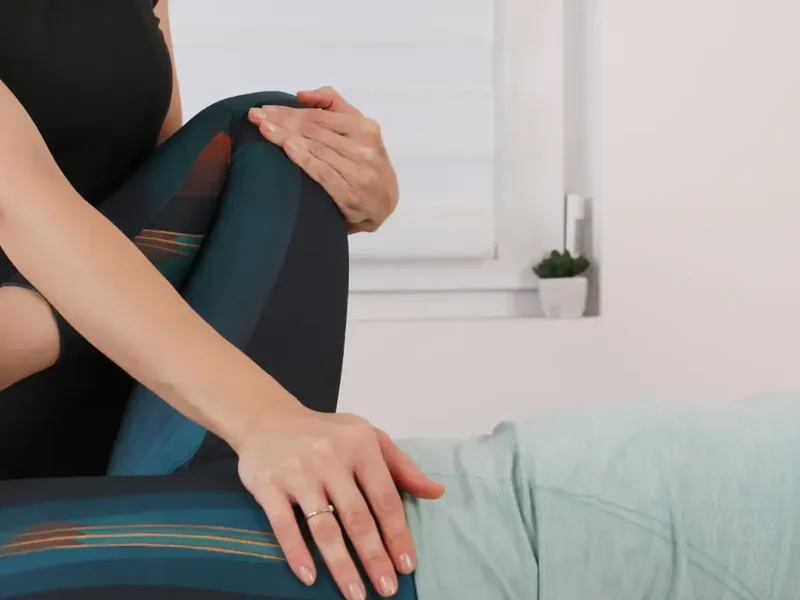
The pelvic floor is a sling of muscle, and like any muscle it can end up too tight, too weak, or badly coordinated. When it holds a low grade clench all day it aches, and sitting through a meeting or driving to work becomes the hardest part of your day. This is the group most often told to do more Kegels, which can make a gripping floor worse. Which pattern you actually have decides the treatment, so we test before we prescribe.
Carrying a baby changes how load travels through your pelvis for nine months, and delivery can add tearing, stitching, or an assisted birth on top of that. Tissue heals. The guarding pattern built around it often does not switch off by itself. Months later you can still feel pain at the perineum, across the pubic bone, or deep inside during sex. Cleared at six weeks is not the same as recovered.
Endometriosis grows tissue similar to the uterine lining outside the uterus, and it drives inflammation and pain that no exercise will erase. What physical therapy can change is the second layer: the abdominal wall, hips and pelvic floor that have been bracing against that pain for years, and the restricted tissue around excision sites. Treating that layer often takes a real amount off the total, even while the condition itself is managed medically.
A hysterectomy, a C-section, a prostatectomy or a hernia repair all leave scar tissue, and scar tissue is stiffer and less mobile than what it replaced. It can tether layers of tissue together and irritate the nerves running past it, which is why pain sometimes arrives months after everything looks healed. Hands-on work on a mature scar restores glide between those layers and gives the nerve room to settle.
Interstitial cystitis, also called painful bladder syndrome, creates burning, pressure and an urgency that does not match how full your bladder actually is, and the cultures keep coming back clean. The pelvic floor gets pulled into it, because muscle guards around a painful organ. That guarding then produces its own pain and its own urgency, which feeds the loop. Down-training those muscles does not cure the bladder, but it reliably lowers the volume.
Your bowel sits inches from your pelvic floor and shares nerves with it. Months of bloating, straining and irritable bowel flares teach the floor to bear down and clench in ways that keep producing pain long after the flare passes. If your pelvic pain tracks with your bowels, the bowel side has to be part of the plan, which is what our page on constipation and IBS goes into.
How physical therapy in Hollywood helps.
Start with the practical part, because it stops a lot of people before they ever call. You do not need a doctor's note to be seen here. Florida is a direct-access state, so you can book an evaluation with a licensed pelvic health therapist without a physician referral.
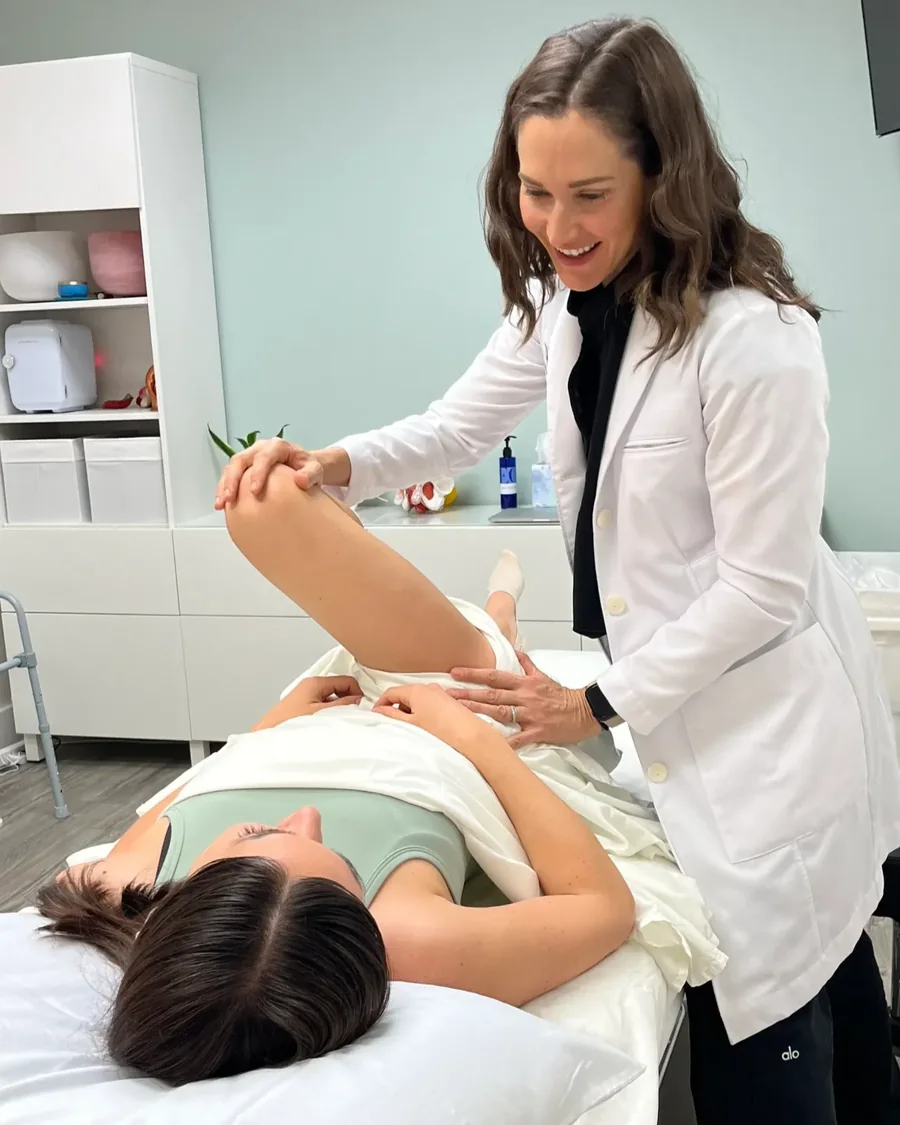
Your first visit is 30 to 60 minutes, one on one, in a private room with the door closed. We look at how you breathe, how your hips and abdominal wall carry load, and how the pelvic floor responds when it is asked to work and asked to let go. Assessing those muscles properly can involve an internal exam, because it is the only way to feel what they are doing. Everything is explained before it happens, you decide whether it happens, and you can stop at any point without giving a reason. Consent here is continuous, not a box you tick once at the front desk.
After that the plan follows what we found rather than a template. Manual therapy and myofascial release for tissue that will not release. Breath and pressure work to bring a guarding floor out of its holding pattern. Biofeedback when you genuinely cannot feel what those muscles are doing. Then graded strength, so the pelvis can carry a full day again without negotiating for it.
What to expect.
The evaluation
We take a full history, including the parts you have been dreading saying out loud, then assess movement, breathing, hip and abdominal mechanics and pelvic floor function. You leave the first visit knowing what we found, what is driving it, and what the plan looks like for your case, in plain language.
Calming the system
Early sessions bring the pain down. Hands-on release for guarded muscle and restricted tissue, breath work that teaches the pelvic floor how to let go, and changes to the daily habits quietly re-triggering it. Most people start noticing a difference within a few weeks when they keep up the home program.
Rebuilding and keeping it
Once pain is no longer running your calendar, we load the system. Coordinated strength through the hips, trunk and pelvic floor for sitting, lifting, working and sex. You finish with a home program you understand and the ability to catch a flare in week one instead of losing another month to it.
I cannot say enough amazing things about Dr. Leslie! She has truly changed my life. From the very first visit, she was professional, kind, and extremely knowledgeable.
Pelvic pain rarely travels alone.
Pelvic Organ Prolapse
Heaviness, bulging or pressure. Support is trainable, and surgery is not the only path.

Sexual Dysfunction
Pain, difficulty or loss of function, examined as a physical problem.
Coccydynia
Tailbone pain with a name, a mechanism and a treatment plan.