Bladder and Bowel Dysfunction Treatment in Hollywood, FL
You know where every bathroom on your route is, you stopped drinking water after four o'clock, and you have never once called this a medical problem out loud.
What causes bladder and bowel dysfunction?
One sheet of muscle sits under your bladder and your bowel and controls the exit of both. That is why the two problems so often arrive together, and why leaking, urgency, straining and the sense of never quite finishing usually turn out to be one coordination problem wearing different clothes. It is not a discipline problem, and it is not something you are supposed to age into and accept.
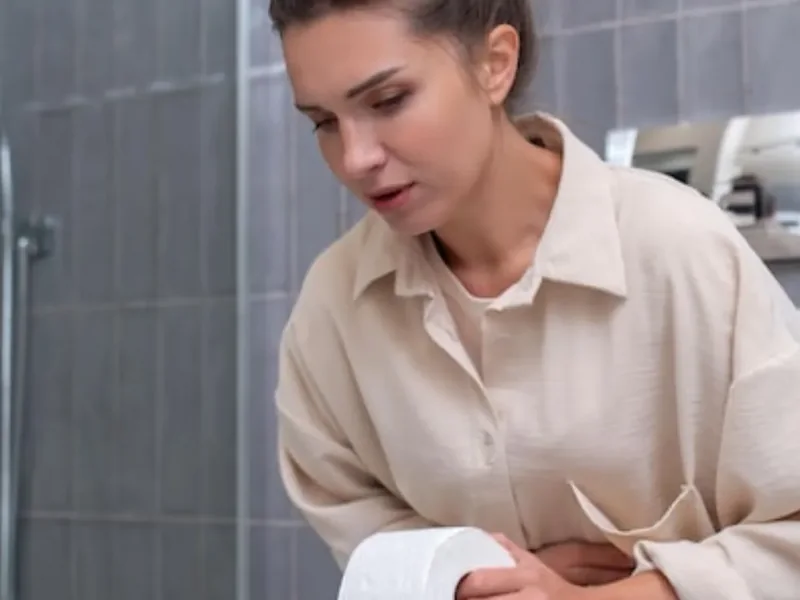
These muscles close the urethra and the anus, and they have to do it faster than you can think about it. When they are weak or slow, a cough, a sneeze, a laugh or picking up a car seat beats them to it and something escapes. This is the pattern most people mean when they say leaking. It responds well to strength and speed training, but only once we have confirmed weakness is actually the problem.
The opposite pattern is equally common and gets missed far more often. Muscles held in a constant low grade clench cannot contract quickly when you need them and cannot fully open when you sit down to go. That combination produces urgency, a slow or stuttering stream, the sense of not finishing, and sometimes leaking on the way to the bathroom. More Kegels make this version worse, which is why testing comes before prescribing.
Going just in case before every trip, hovering over public seats, pushing to start the stream, cutting fluids to reduce trips, living on coffee: each one is a sensible coping strategy, and together they retrain the bladder to signal earlier and the pelvic floor to work against you. Concentrated urine irritates the bladder further. Bladder retraining unpicks this, and it is often the fastest visible win in the whole plan.
Pregnancy loads these muscles for months and delivery can stretch or tear them along with the nerves that supply them. Hysterectomy, prostate surgery and hernia repair change the mechanics too, and prostate treatment in particular leaves many men leaking for a stretch afterwards. Nerves and muscle both recover with the right retraining. Being years or decades out from the event does not close the door on treating it.
A loaded rectum sits directly behind the bladder and physically reduces the room it has, so you feel full sooner and go more often. Years of straining also teaches the pelvic floor to bear down instead of lift. Very often the bladder complaint improves once the bowel side is sorted, which is why our page on constipation and IBS goes much deeper on stool, straining and coordination.
Irritable bowel syndrome, inflammatory bowel disease, endometriosis, prostate disorders and pelvic organ prolapse all change how these muscles behave, usually by making them guard. Guarded muscle produces urgency, cramping, tailbone pain and painful bowel movements of its own, on top of whatever the original condition is doing. Physical therapy does not replace your medical care for those diagnoses. It treats the muscular layer that has been left untreated.
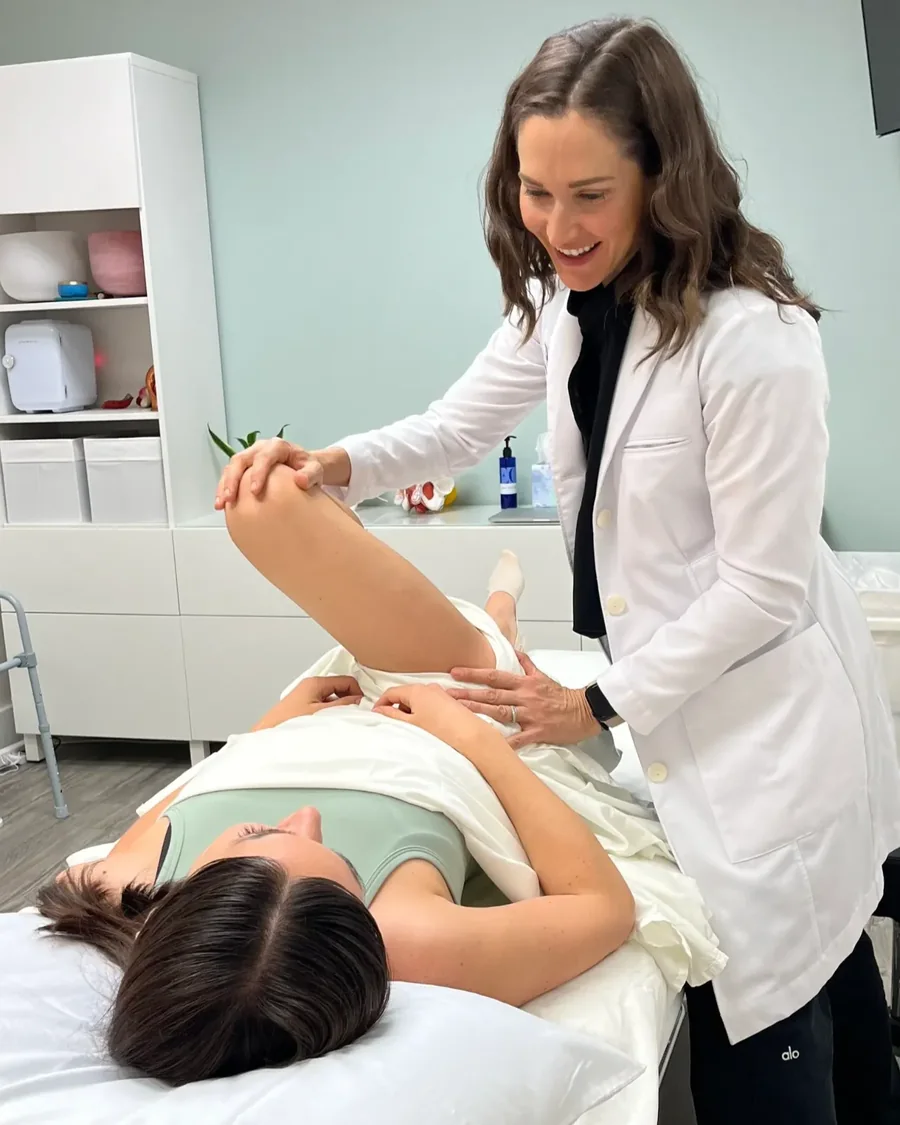
How physical therapy in Hollywood helps.
You do not need a physician referral to start. Florida is a direct-access state, so you can call and book an evaluation with a licensed pelvic health therapist directly. If cost is the thing holding you back, ask for Ronda when you call. Coverage and payment are handled individually, and she will walk you through exactly what your visits will cost before you commit to anything.
The evaluation runs 30 to 60 minutes, one on one, in a private room with the door closed. We map the pattern first: what you drink, when you go, what you feel before you go, what happens on the toilet, and how the pelvic floor performs when asked to squeeze, hold and release. Assessing those muscles accurately can involve an internal exam. It is explained fully before it happens, it is your decision, and you can stop at any point without needing a reason.
Where the plan goes next depends on what we find. If urgency is the loudest symptom, that work is described on our urinary urgency page. If it is leaking, incontinence therapy is the route. If the bowel is the real driver, and it often is, start with constipation and IBS. Most plans combine hands-on work, biofeedback so you can see what these muscles are doing, retraining of the reflex, and strength built once the timing is right.
What to expect.
Finding the pattern
Symptoms that look identical can come from opposite muscle patterns, so the first visit is about which one you have. History, a short diary of what goes in and what comes out, and a hands-on assessment of how the pelvic floor contracts and releases. You leave knowing what we found and why.
Retraining the reflex
Then we change the signal. Hands-on release for muscles stuck in guard, biofeedback so you can finally see what these muscles do, urge control techniques you can use standing in a store, and a schedule that stretches the gaps between trips. Most people notice a change within a few weeks when they do the home work.
Making it hold
Last comes strength and endurance that survives a real day: a full shift, a long drive, a heavy grocery run, a cough in allergy season. You finish with a home program you understand, and a plan for what to do at the first sign that things are slipping again.
I have had the pleasure of working with both Dr. Leslie and Tanya who were both incredibly knowledgeable and always made me feel super comfortable.
The pelvic floor holds more than one job.
Urinary Urgency
The sudden, urgent need to go, even when your bladder is nearly empty.
Urinary Frequency
Mapping every bathroom you pass is a symptom, not a personality trait.

Constipation & IBS
When the pelvic floor will not coordinate with the bowel, nothing moves easily.