Pelvic Organ Prolapse Treatment in Hollywood, FL
Something feels heavy, or like it is slipping down, and you have probably not said that sentence out loud to anyone yet.
What causes pelvic organ prolapse?
Your pelvic floor is the hammock that holds the bladder, the uterus and the rectum where they belong. When those muscles and the connective tissue around them lose support, the organs drift downward, and you feel it as pressure, heaviness, a bulge, leaking, or a bowel that will not fully empty. Prolapse is graded, it is common, and the support system is trainable. Nothing about it makes it your fault.

Nine months of downward load followed by a delivery is the most common route to prolapse. Stretched connective tissue, a long pushing stage, a large baby, forceps or vacuum assistance and tearing all strain the structures that hold your organs up. Symptoms can show up within weeks, or stay quiet for twenty years and surface later. Neither timeline means you have missed your window to treat it.
Estrogen keeps vaginal and pelvic connective tissue thick, elastic and well supplied with blood. As levels drop, that tissue thins and loses some of its give, so support that was adequate for decades stops being adequate. This is why prolapse often announces itself in the years around menopause even when the births were long ago. Therapy still works at this stage of life, and it still works after a hysterectomy.
Every time you strain against a hard stool you push down through the exact structures meant to hold your organs up. Years of constipation act like a slow, repeated version of pushing in labour. This is one of the few drivers you can change quickly, so we address it directly: stool consistency, position on the toilet, breathing, and teaching the pelvic floor to open rather than clamp shut.
Lifting does not cause prolapse. Lifting with every bit of pressure aimed downward does, and that is what happens when you hold your breath, grip your abdomen and brace from the top down. Add a toddler, a stroller and a job on your feet, and it repeats hundreds of times a week. Learning to breathe out through the effort changes what your pelvic floor has to absorb.
Anything that repeatedly spikes pressure inside your abdomen will test your pelvic support. A long standing cough from asthma or smoking, allergies that keep you sneezing through a South Florida spring, and carrying extra weight all do it many times a day. None of these is a character flaw and none of them makes prolapse inevitable. They mean the support system has to be strong enough for the demand placed on it.
Some people are built with more elastic connective tissue, and that is inherited rather than earned. Previous pelvic surgery, hysterectomy included, can also change how the remaining structures share the support job. If a relative had prolapse, or your joints have always been on the bendy side, it is worth being assessed early instead of after the symptoms have been running your day for a year.
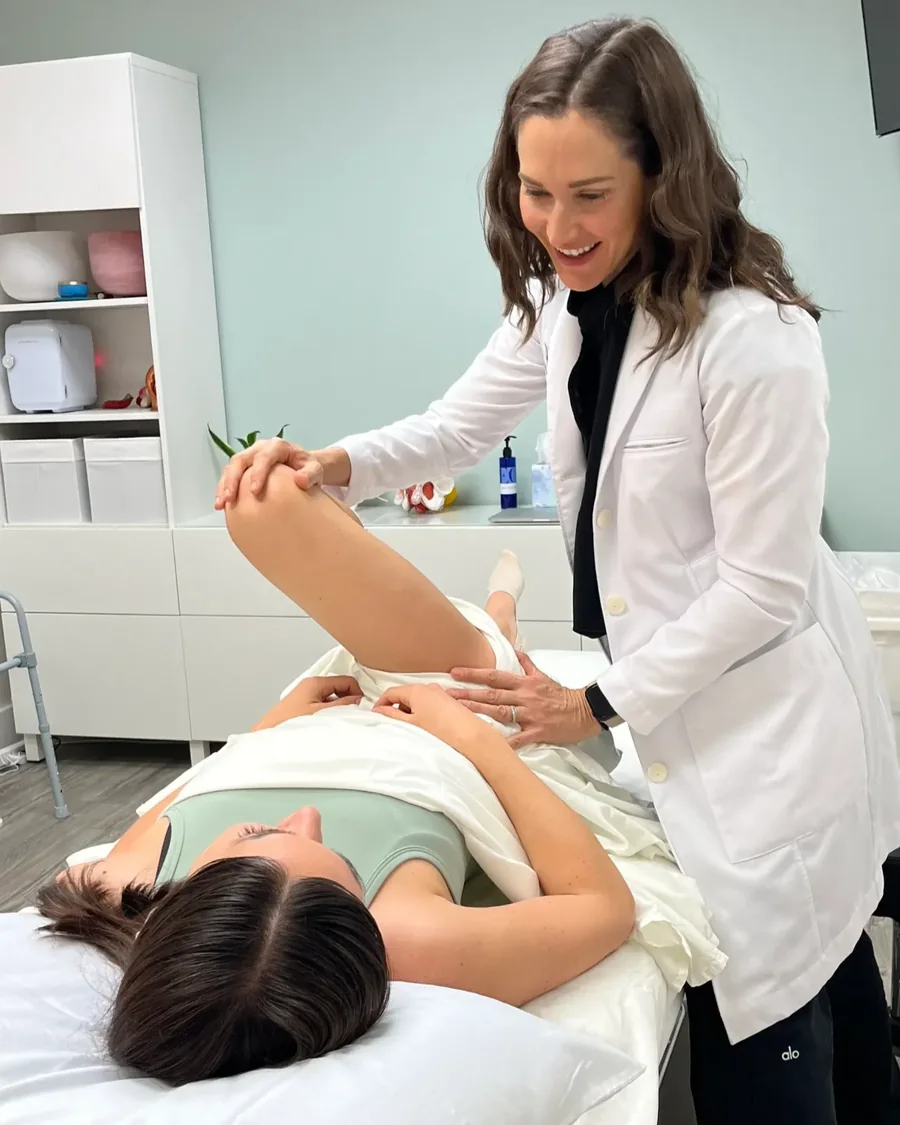
How physical therapy in Hollywood helps.
Most people assume the next step is a gynecologist, a referral, and a wait. In Florida it is not. This is a direct-access state, so you can book an evaluation with a licensed pelvic health therapist without a physician referral and start there.
The second question is what the exam involves, and it deserves a straight answer. Assessing prolapse means seeing what your tissue does under load, so it usually includes an internal exam. Your therapist explains exactly what she is checking and why before anything happens, you are in a private room with the door closed, and you can decline any part of it or stop partway through without giving a reason. Consent here is continuous, not a signature collected once at the front desk.
Then the work itself, over 30 to 60 minutes, one on one, every visit. Hands-on release through the hips, abdomen and pelvic floor so muscle can move before it is asked to hold. Biofeedback so you can see whether you are lifting or bearing down, which is the single most common thing people have backwards. Strengthening done correctly instead of the vague Kegel advice you have already tried. And coaching for the ordinary moments that spike pressure, the lift, the cough, the toilet. The goal is a support system that still holds at five in the afternoon.
What to expect.
The evaluation
We take the history, including when you first noticed the heaviness and what makes it worse by evening, then assess breathing, hip and abdominal mechanics and how the pelvic floor supports under load. You leave knowing what we found and what your plan looks like, described in plain words rather than a grade on a chart.
Restoring support
Early sessions get the muscles moving and teach the pelvic floor to lift instead of push. Manual work, biofeedback and breath and pressure training rebuild the timing first, because strength added on top of poor timing tends to make symptoms louder rather than quieter.
Strength for real load
Then we load it deliberately. Carrying, lifting, standing through a long shift, exercise you actually want to do, all trained with pressure managed properly. You leave with a home program you understand and a clear sense of what to do if symptoms creep back during a busy stretch.
I am absolutely thrilled with Dr. Leslie! She is far more than just a pelvic floor therapist, her exceptional care, extensive knowledge, and expertise have been truly transformative.
Prolapse rarely arrives by itself.
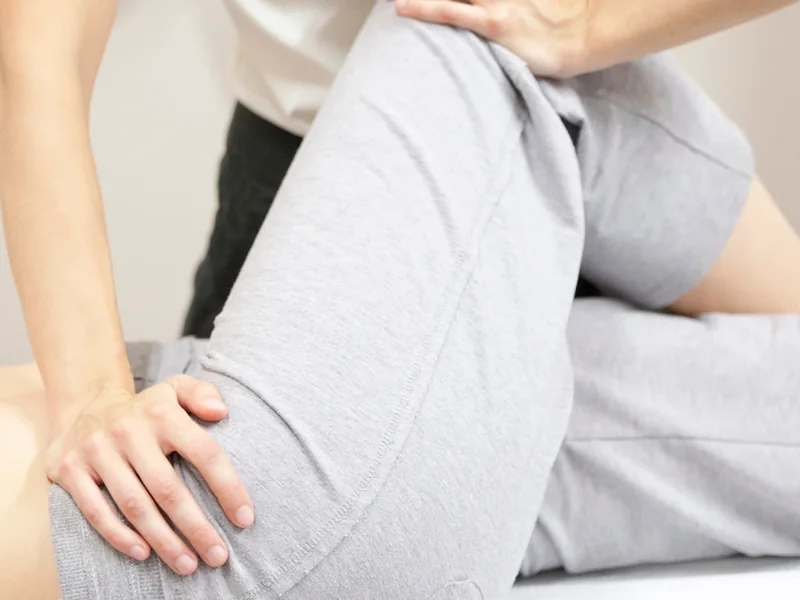
Postpartum Recovery
Six weeks and cleared is not the same as recovered. This is the rest of it.
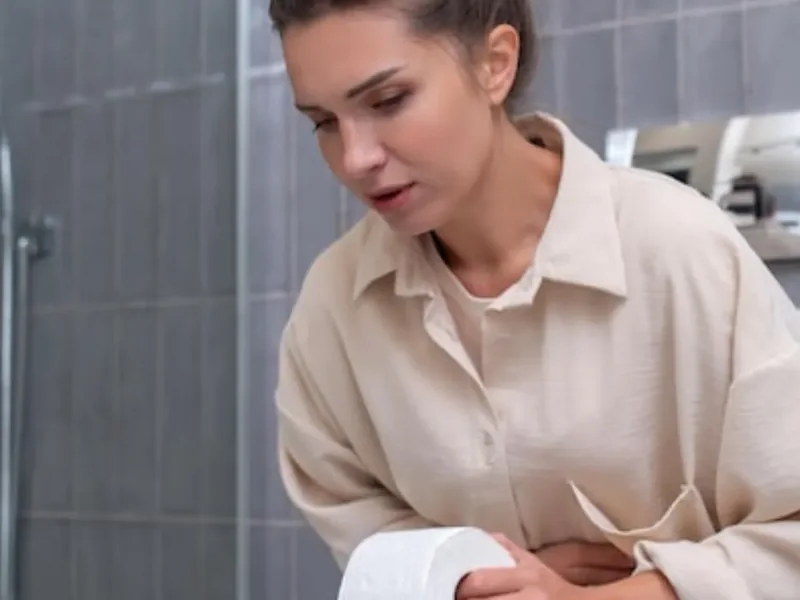
Bladder & Bowel Dysfunction
Urgency, leaking, incomplete emptying and straining, all from the same muscles.

Urinary Urgency
The sudden, urgent need to go, even when your bladder is nearly empty.