TMJ and TMD Treatment in Hollywood, FL
Jaw pain, clicking and headaches get treated as migraines, toothache or an ear infection for years, when what is actually driving them is the muscle and fascia that move your jaw.
What causes TMJ and TMD?
TMJ is the joint. TMD is dysfunction in that joint, in the muscles that move it, or in the nerves around it. The distinction matters, because most of what hurts is muscle and fascia rather than bone, and muscle and fascia respond to hands-on treatment. TMD is also routinely mistaken for migraines, a toothache or an ear infection, which is how people end up years into treatment aimed at the wrong thing. Symptoms tend to worsen over time, so getting the driver identified early is worth doing.
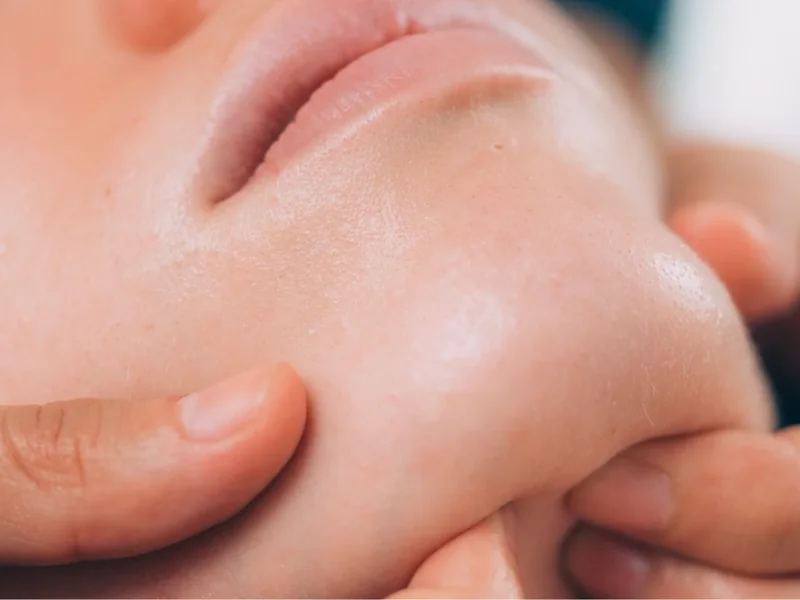
Teeth grinding and clenching, known as bruxism, loads the jaw muscles for hours while you sleep. You wake with a tight, sore face, a headache at the temples and a jaw that does not want to open. The muscle is doing what any muscle does under sustained load: it shortens, becomes tender and stops coordinating well. Stress-related clenching is the most common driver, and it is also the one that responds best to treatment.
The muscles and connective tissues of the face, jaw, tongue and mouth control chewing, speaking and breathing. When those tissues become restricted or imbalanced, the result is pain, headaches, facial ache and a jaw that will not move through its full range. Fascia does not show up on a dental x-ray, which is why this layer is often the last one examined and frequently the one that turns out to matter.
Clicking, popping or grinding noises when you open or close your mouth, and a jaw that catches or locks partway, point to how the joint surfaces are tracking. Uneven muscle pull on one side changes that tracking, and the joint pays for it. Joint mobilization improves alignment and function while gentle stretching restores range of motion, which is why the joint and the muscles get treated together rather than one at a time.
Your jaw does not work independently of your neck. A head carried forward of the shoulders changes the resting position of the jaw and keeps the muscles underneath it working continuously. That is why chronic jaw, face, neck and headache pain so often arrive as a set rather than one at a time. Postural retraining corrects the imbalances feeding the pain, and neuromuscular re-education stops the abnormal movement pattern re-establishing itself.
How you breathe sets the resting tone of the jaw, tongue and throat. Mouth breathing and airway restriction change tongue position and keep the muscles of the jaw and neck working when they should be idling. Myofunctional retraining improves tongue and jaw coordination so the system can rest properly, and it is a large part of why breathing mechanics get assessed at a jaw evaluation at all.
Stress does not stay in one place. When the nervous system runs hot the response is to brace, and people brace where they habitually brace: the jaw for some, the pelvic floor for others, and both for plenty. This practice treats both, because the assessment and the hands-on work draw on the same training. Relaxation technique and habit education reduce clenching far more reliably than willpower does.
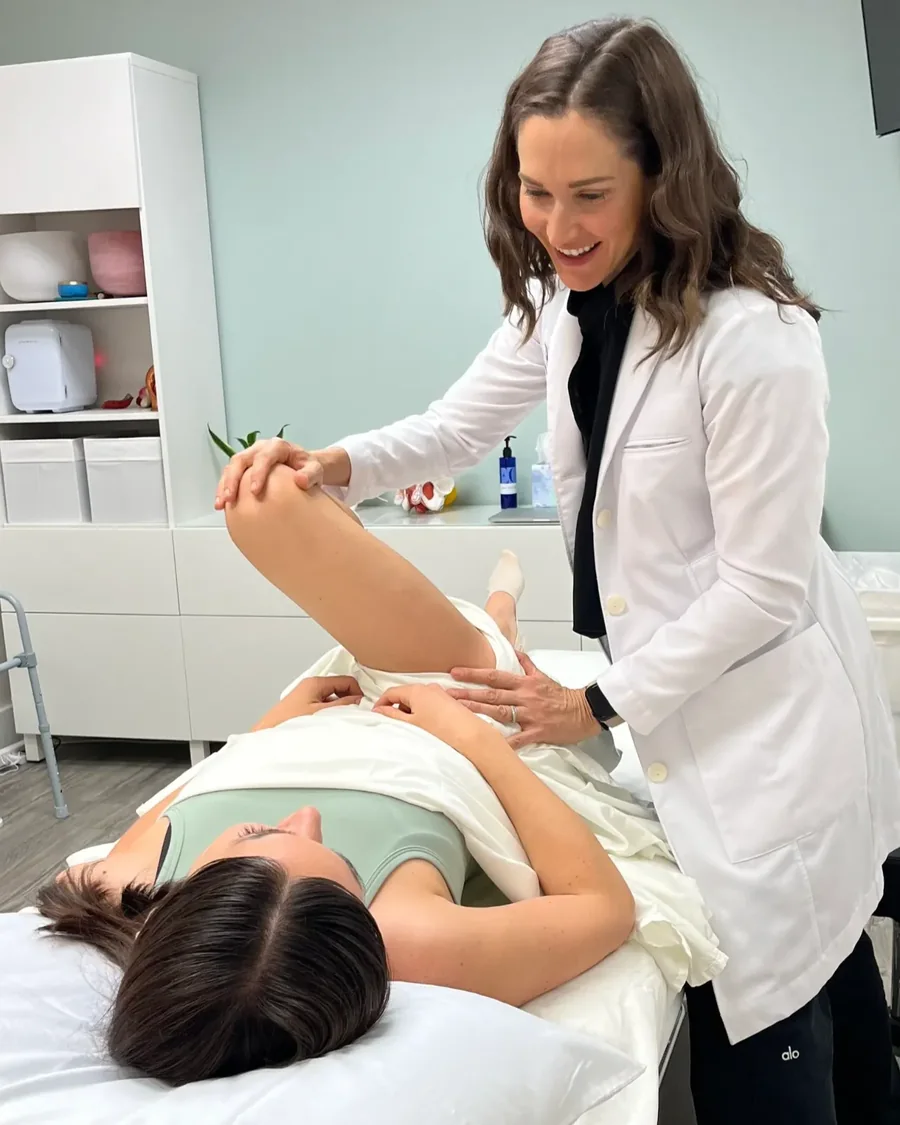
How physical therapy in Hollywood helps.
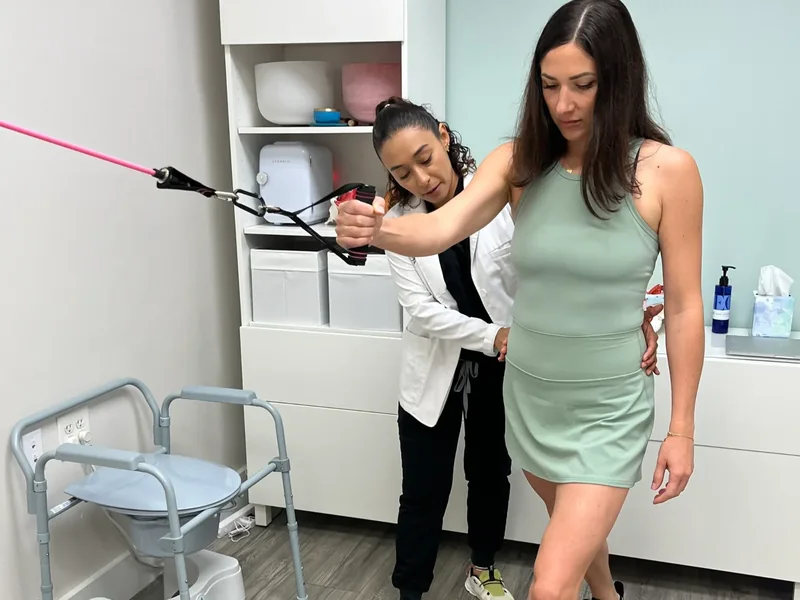
A fair first question is why a pelvic health practice treats jaws. The answer is the skill set. This work is built on careful manual therapy inside a small, sensitive space, on fascial release, and on breathing mechanics. Intraoral therapy asks for the same hands and the same training. That is what oral fascial therapy is here: a distinct service, not a sheet of jaw exercises stapled to a general plan.
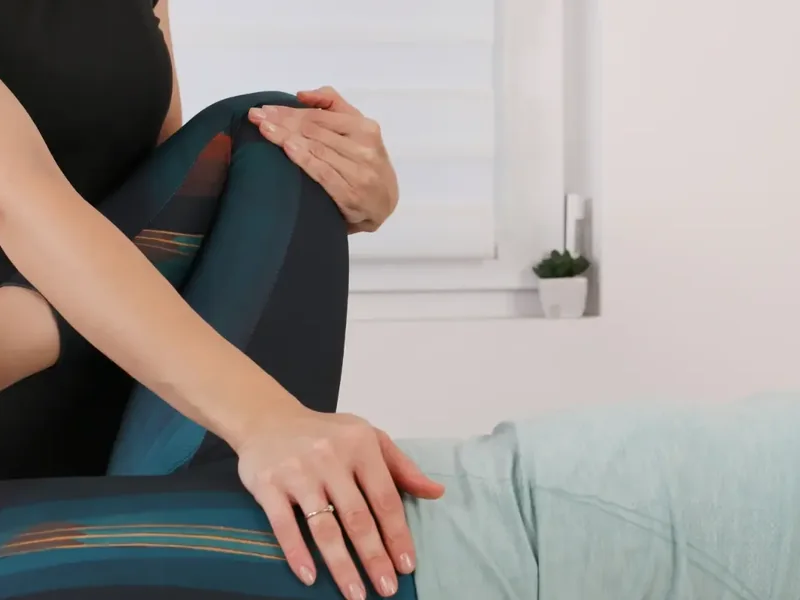
Hands-on work comes first. Manual therapy releases tight muscle around the jaw, temples and neck. Joint mobilization improves how the joint moves. Intraoral fascial release addresses restriction inside the mouth, and gentle stretching restores range of motion. Everything is explained before it happens, and you can stop at any point in any session.
Then it becomes training. Therapeutic exercise stabilizes and supports jaw movement, postural retraining corrects the imbalances feeding the pain, and neuromuscular re-education keeps abnormal mechanics from settling back in. Myofunctional work retrains tongue and jaw coordination. Alongside that, relaxation technique reduces stress-related clenching and education on daily habits takes the unnecessary strain off, with a home program to hold the gains between visits.
Every visit is 30 to 60 minutes, one on one with your therapist, in a private room. Florida is a direct-access state, so no physician referral and no letter from your dentist is needed to start.
What to expect.
Evaluation
Your first visit assesses jaw movement and range, muscle tension through the face, jaw and neck, your posture, your breathing pattern and your history. Your therapist explains what she finds and what is driving it before building the plan. Anything intraoral is described in full first, and whether it happens is your call.
Hands-on relief
Manual therapy and intraoral fascial release reduce tension in the muscles around the jaw and neck. Joint mobilization improves how the joint tracks, and gentle stretching restores range of motion, so opening your mouth, chewing and yawning stop being things you brace for.
Retrain and prevent
Then stability and habit. Therapeutic exercise and neuromuscular re-education rebuild controlled jaw movement, postural retraining takes the load off your neck, and relaxation technique addresses the clenching itself. You go home with a program and a way to catch a flare before it takes hold.
I cannot say enough amazing things about Dr. Leslie! She has truly changed my life. From the very first visit, she was professional, kind, and extremely knowledgeable.