Post-Prostatectomy Rehab in Hollywood, FL
Leaking after the catheter comes out is one of the most common and least discussed parts of prostate surgery. The muscles that take over bladder control can be trained, and the earlier that training starts, the better.
Why bladder control changes after prostate surgery.
The prostate sits directly below the bladder and wraps around the urethra, and it contributes to holding urine in. When it is removed, the external urinary sphincter and the pelvic floor muscles around it have to do that job on their own. Leaking after surgery is very common, especially in the first weeks and months, and for most men it improves. Pelvic floor physical therapy, ideally started before surgery and resumed once your surgeon clears you, is a standard part of helping it improve faster and more completely.
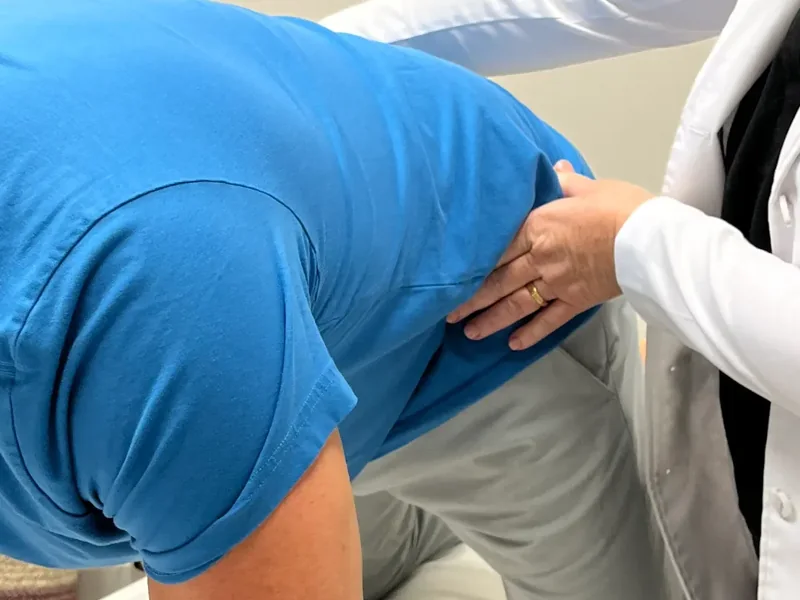
With the prostate gone, continence depends on the external sphincter and the pelvic floor muscles. If those muscles are weak, slow or poorly coordinated, pressure from standing up, coughing or lifting wins and urine leaks. They are skeletal muscles, and like any skeletal muscle they respond to specific training for strength, endurance and timing.
The most common pattern is leaking with effort: getting up from a chair, coughing, sneezing, bending, lifting, golf, the gym. It is often worse later in the day as the muscles tire. Training the quick, well-timed squeeze before effort, and the endurance to hold through the day, targets exactly this.
Some men also notice sudden urges and frequent trips, including at night. Bladder retraining, urge suppression and attention to bladder irritants are added when urgency is part of the picture.
Nerves that control erections run alongside the prostate, and even nerve-sparing surgery can affect them for a period of time. The pelvic floor muscles also help maintain an erection. Pelvic floor training, alongside whatever your urologist prescribes, is part of erectile rehabilitation, and it is discussed openly and practically here. See erectile dysfunction for more.
Men who learn to find and contract the right muscles before surgery generally have a head start afterward, because the skill is already there when the catheter comes out. If your surgery is scheduled, a few visits beforehand are worth it.
How physical therapy in Hollywood helps.
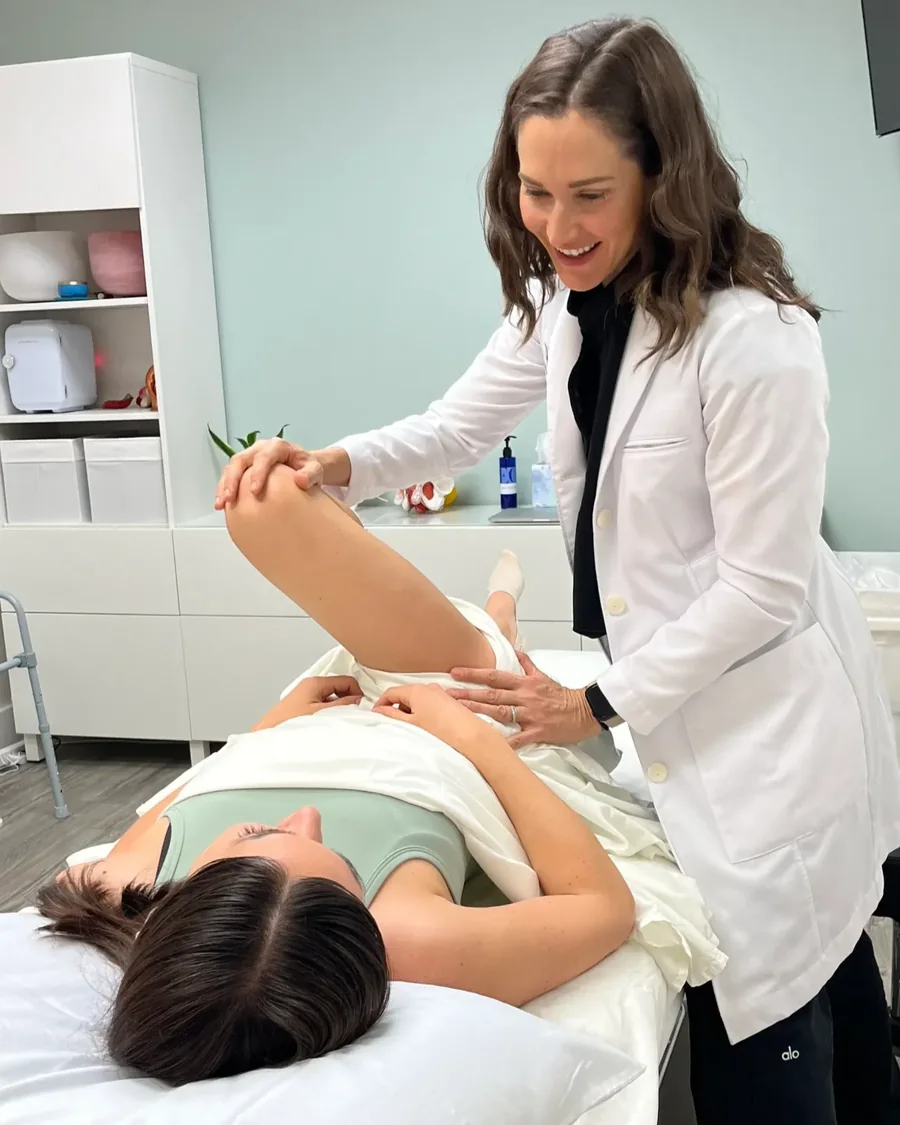
Assessment of the male pelvic floor may include an internal rectal examination, since that is the most accurate way to check whether you are contracting the right muscles and how strong and coordinated they are. Your therapist explains exactly what is involved and why before anything happens. You decide whether it happens, you can decline any part of it, and you can stop at any point. Biofeedback is often used so you can see the muscles working on a screen.
Before surgery, you learn to find and train the pelvic floor so the skill is ready. After surgery, once your surgeon clears you and the catheter is out, the program progresses from gentle activation to strength, endurance and timing, then to the activities that cause leaking for you. Bladder habits, fluid intake and irritants are covered, and erectile recovery is part of the same conversation. Sessions run 30 to 60 minutes, one on one, in a private room with the door closed, and Florida’s direct access means no referral is needed.
What to expect.
Evaluation
Before surgery or after your surgeon’s clearance, we take a full history, talk through your surgery and your goals, and assess the pelvic floor, explained step by step. You leave knowing which muscles to train and how.
Rebuild control
A progressive program for strength, endurance and timing, with biofeedback to make sure the right muscles are working. You learn to squeeze before you stand, cough or lift, and to keep that control through the whole day.
Back to full activity
Then we load it: exercise, sport, lifting and long days on your feet, plus the urgency and erectile side where relevant. Most men improve over weeks to months, and your therapist will be straight with you about what to expect in your case.
My wife and I can't thank Dr. Leslie enough for everything she's done for us.
Men’s pelvic health.

Erectile Dysfunction
A blood-flow and muscle-function problem that responds to physical treatment.

Urinary Leaking
Leaking with a cough, a jump or a sudden urge. Stress and urge incontinence both respond to treatment.

Penile & Testicular Pain
Pain in the penis, testicle or groin when cultures and ultrasounds keep coming back clean.