Tailbone Pain Treatment in Hollywood, FL
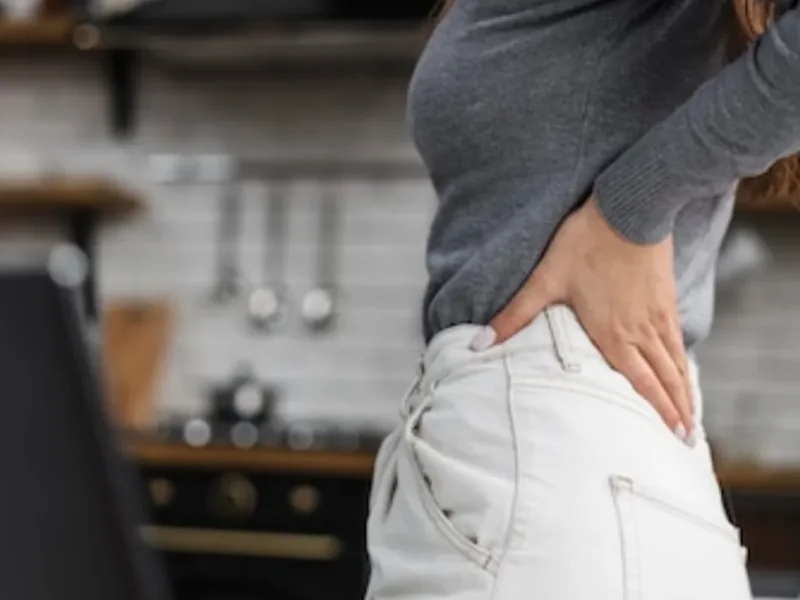
You have been sitting on a donut cushion for months, perching on one hip in meetings, and bracing every single time you stand up from a chair.
What causes tailbone pain?
Your tailbone is the small bone at the very bottom of your spine, right where you sit. When it hurts, everything ordinary gets complicated: the drive to work, dinner out, a flight, getting off the sofa without holding the arm. The medical name for this is coccydynia, and if you want that version of this page, it is here. Below is what usually causes it, in plain words.

Slipping on a wet floor. Missing the bottom stair. Going down hard on a step or the edge of a chair. All of your weight arrives at the smallest bone in your spine at once. Scans often come back clear afterwards, and that does not mean nothing happened to you. A joint can be sprained and sitting badly without ever showing up as a break on an image.
The tailbone has to move out of the way during a birth, and sometimes it does not settle back the way it should. Pain that starts then gets put down to normal recovery and quietly tolerated for years, often by women who were told everything looked fine at the six week check. It is common. Common is not the same as something you have to live with, and it can be treated long afterwards.
Nobody falls, and it starts anyway. Long days at a desk, a soft couch in the evening, a commute, a seat that tips your pelvis backwards so your weight lands on the tailbone instead of on your sitting bones. Months of that irritates the area, and by the time you notice, the pain no longer needs a reason to show up. It is there when you sit down.
Once it hurts, you adapt without deciding to. You perch on one hip, you slide forward in the chair, you lean on the armrest, you buy the cushion with the hole in it. Those adjustments buy relief and then create a second problem, because your hips, low back and pelvic floor start working unevenly. Undoing that pattern is part of the treatment, not an afterthought to it.
Muscles of the pelvic floor attach straight onto the tailbone. When they are clenched all day, and most people carrying months of sitting pain are clenching, they pull on that bone constantly. This is why the pain can carry on long after the original fall has healed, and why treatment has to include the muscles rather than only the bone they are attached to.
Sometimes the joint at the base of the spine has stiffened with age or arthritic change. Sometimes the tailbone is not the problem at all, and the pain is being referred there from your low back or your pelvis. Both are worth ruling in or out at the very start, because each one changes the plan completely. That is what a proper first visit is for.
How physical therapy in Hollywood helps.
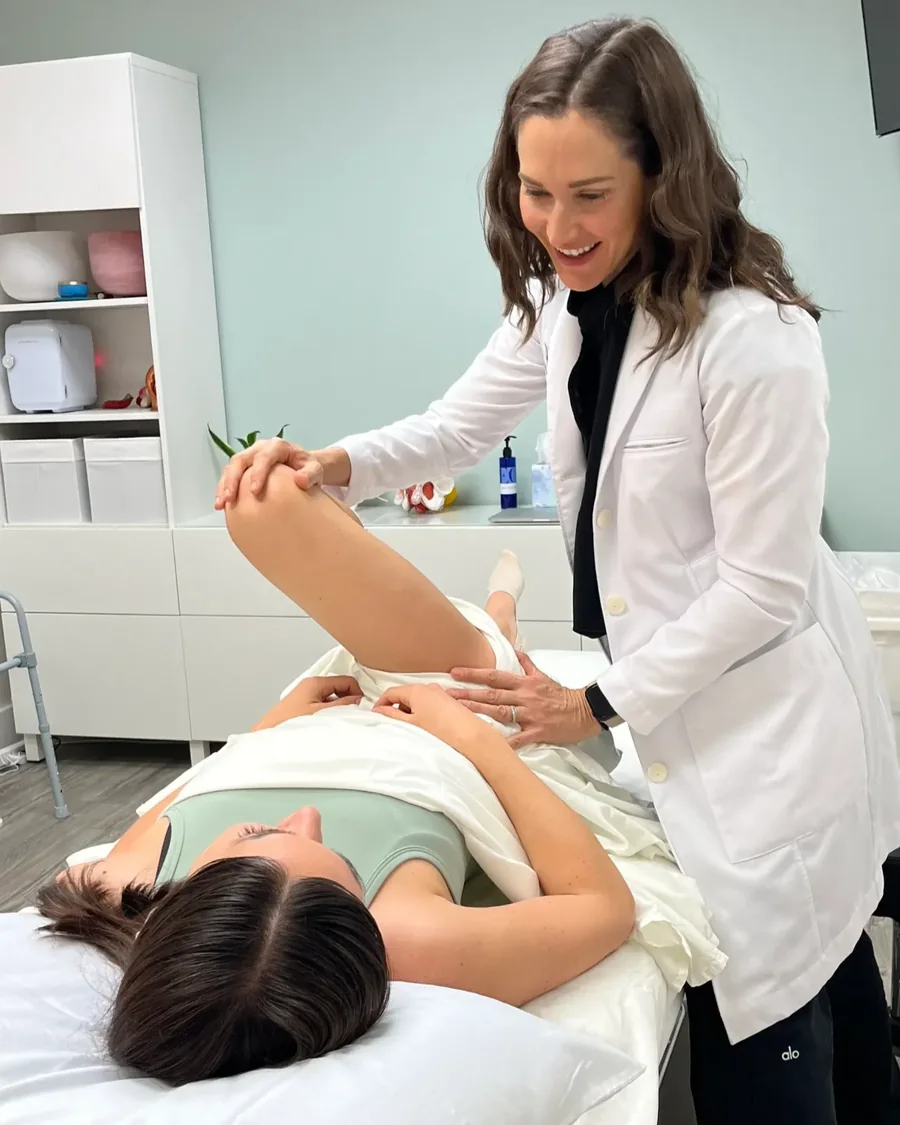
Most people with tailbone pain have been told to wait it out, sit on a cushion, and take something for it. Waiting is not a treatment. A cushion moves the load without changing why the load hurts. You also do not need a note from a doctor to start: Florida is a direct-access state, so you can call and book an evaluation yourself. Wellsprings Health is a small pelvic health practice in Hollywood. One therapist, one patient, one private room with the door closed, 30 to 60 minutes at a time. Your therapist looks at the tailbone itself, at your hips and low back, and at the pelvic floor muscles attached to it, then works with her hands to settle the tissue, free up what has stiffened, and get the area sharing load evenly again. You learn how to sit, drive and stand up without feeding the problem. As for what it costs, coverage and payment are handled individually, so call (954) 842-3825 and ask for Ronda. She will tell you exactly what your visits will cost before you book anything.
What to expect.
Your first visit
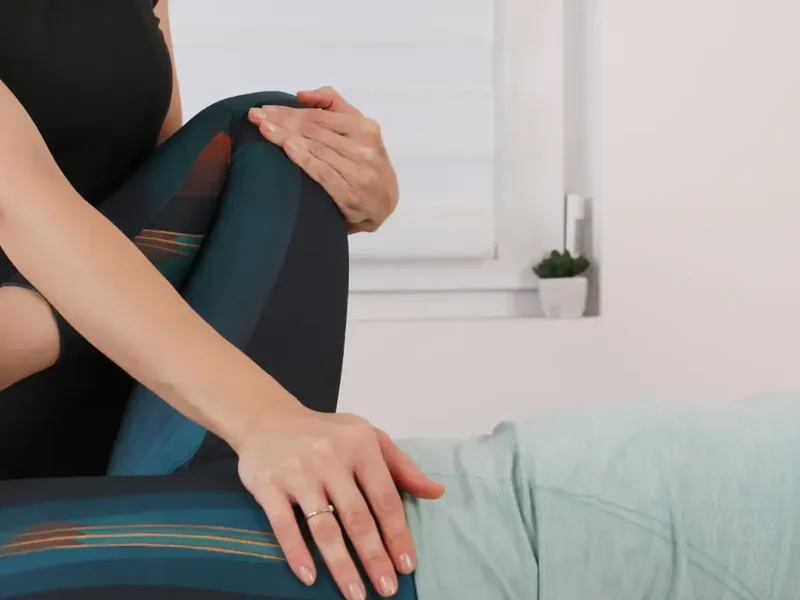
You talk, then she assesses. How it started, what makes it worse, how long you can sit before you have to shift. Then a hands-on look at your tailbone, hips, low back and pelvic floor. Everything is explained before it happens, and you can stop any part of it at any point.
Hands-on treatment
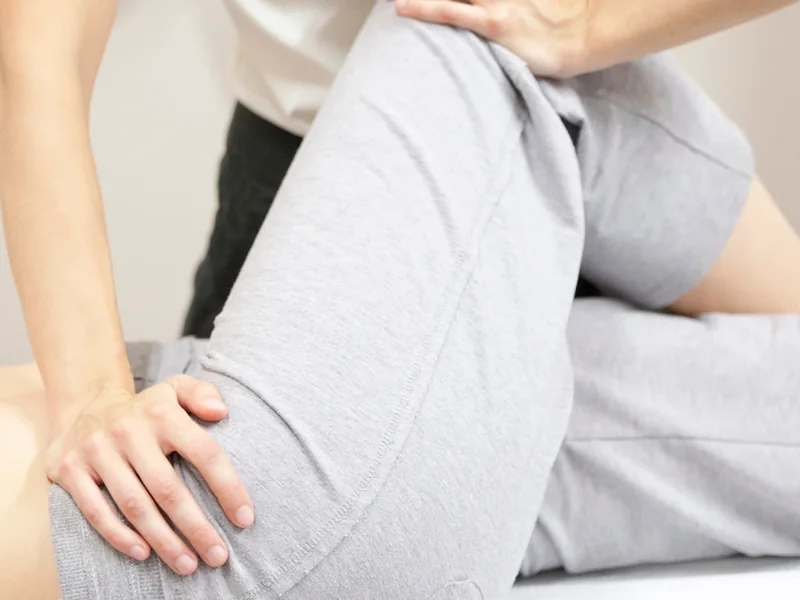
The early work is about calming things down. Releasing the muscles pulling on the tailbone, freeing up the joint, easing the tissue around it so sitting stops being a countdown. Your therapist tells you what each technique is for and adjusts the moment something is more than you want.
Sitting, strength and staying out of it
Then we make it stick. How to sit at your desk and in the car, mobility for your hips and pelvis, and strength through your trunk so your tailbone stops carrying what the rest of you should be sharing. You go home with a short program and a plan for flare days.
I recently had the pleasure of working with Leslie, and I couldn't be more grateful for the experience. From the moment we met, Leslie's warmth and genuine care put me at ease.